Peace on Pumpkin: Growing Lebanon’s Heritage, Art, and Sustainability

At Gharset Kheir, we believe in the power of nature, art, and sustainability to bring about positive change. Our “Peace on Pumpkin” initiative is a testament to this belief, blending the beauty of Lebanese heirloom pumpkin seeds with the message of peace and environmental responsibility.
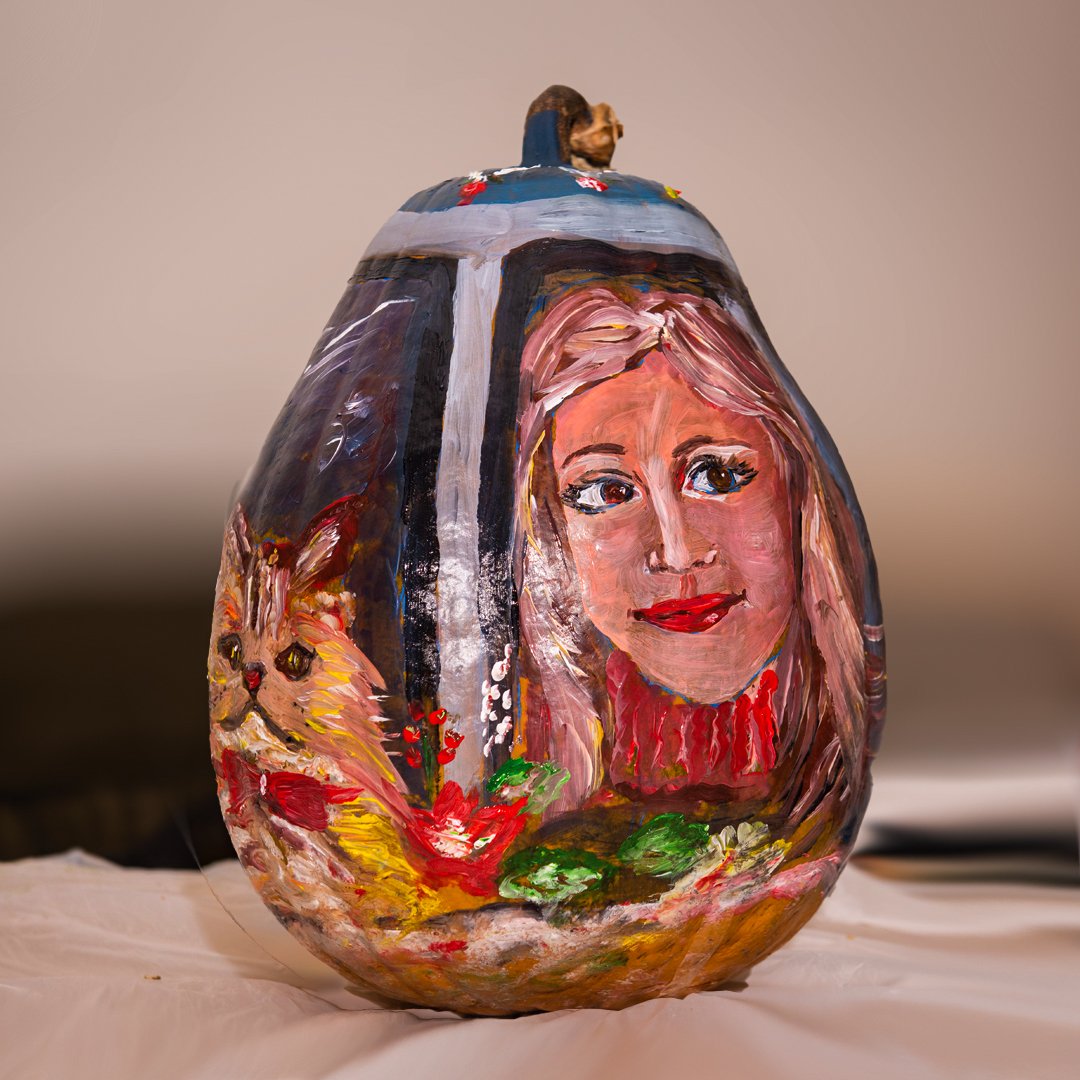
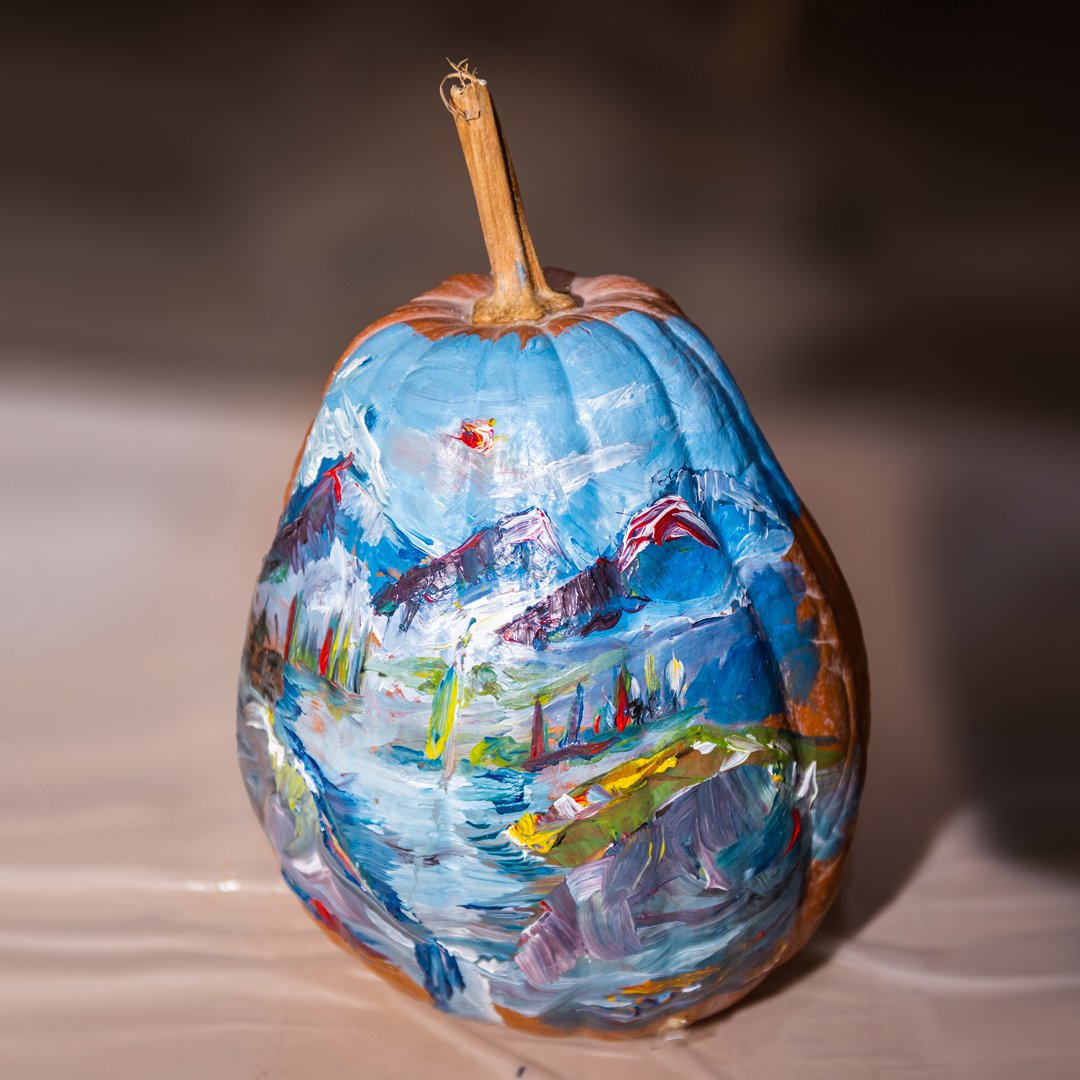
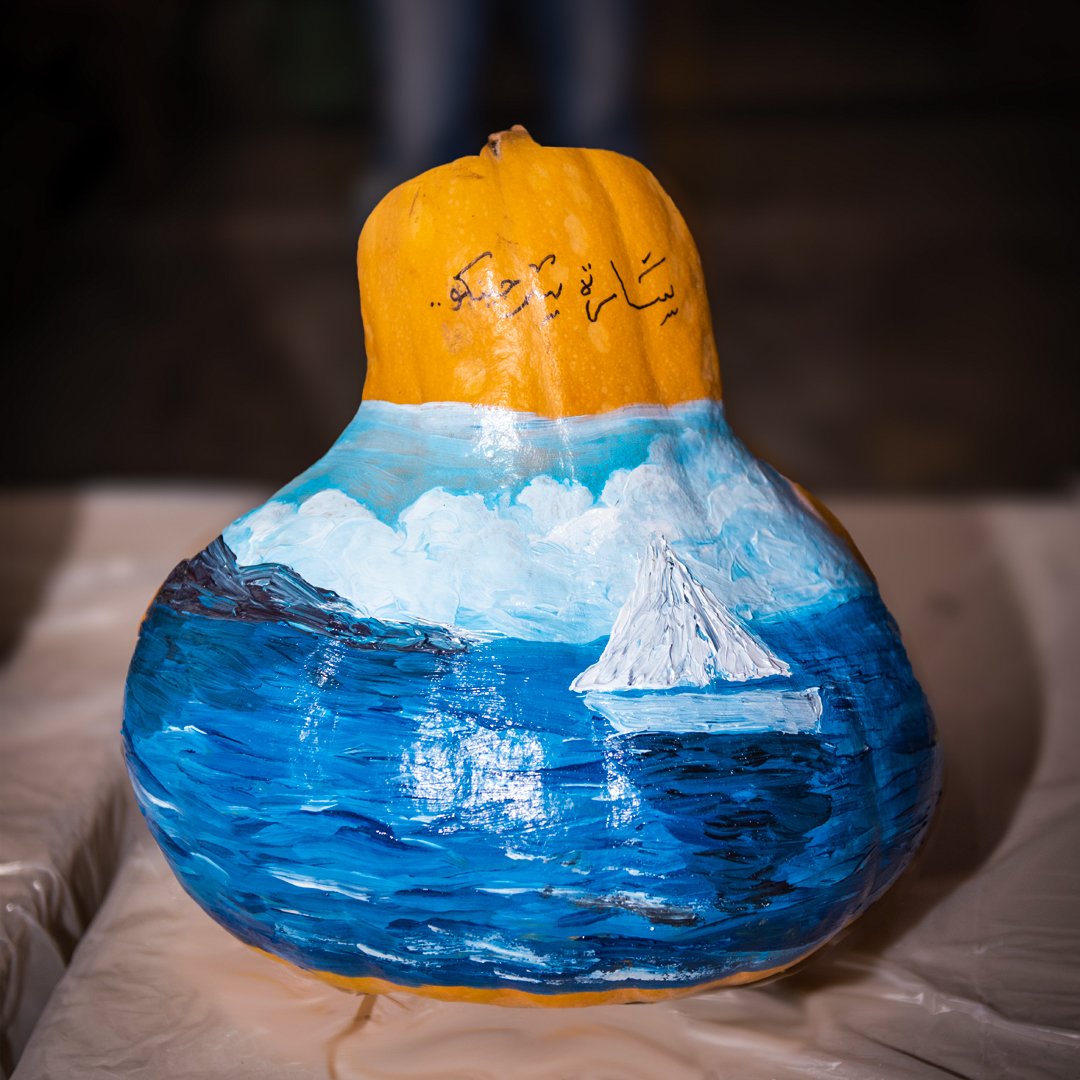
Community Engagement and Participation: The initiative was implemented in the village of Al-Khalwat, located in Mount Lebanon’s Metn El Aala, gathering over 120 participants, including 25 artists, local farmers, and community members. The day-long event focused on:
- Sustainable agriculture practices
- Promotion of a self-sufficient local economy
- Community dialogue and interfaith discussions
- Creative artistic expression
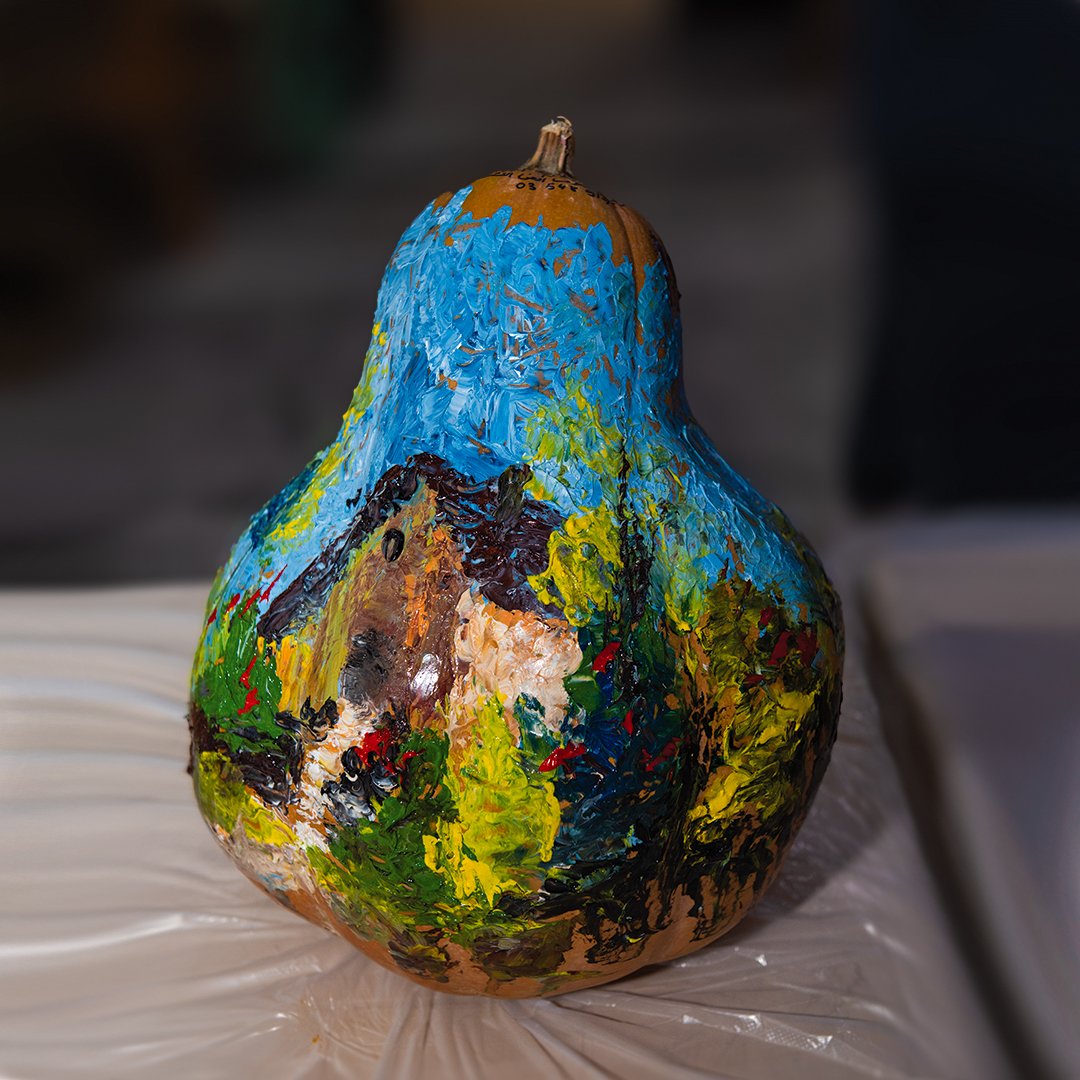
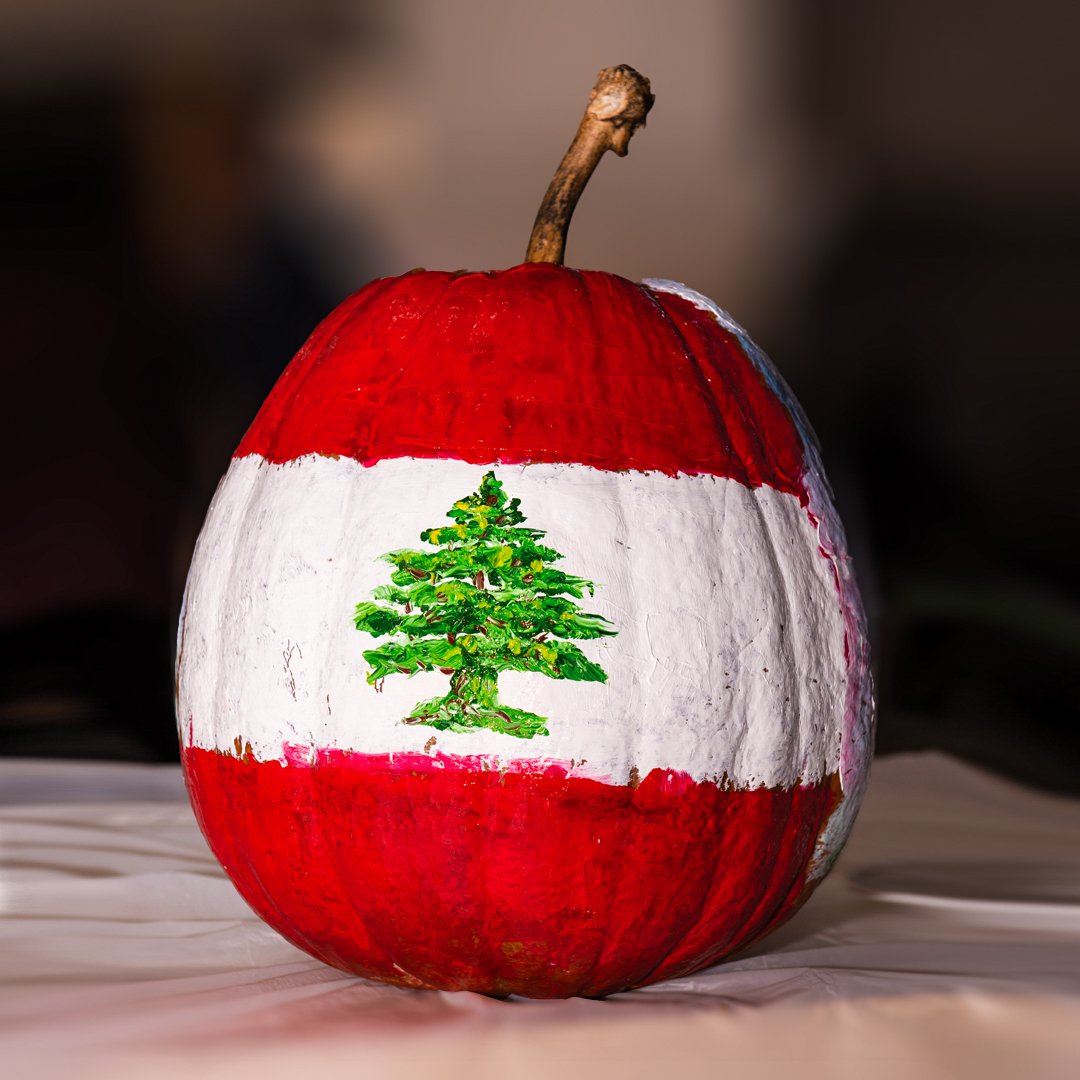
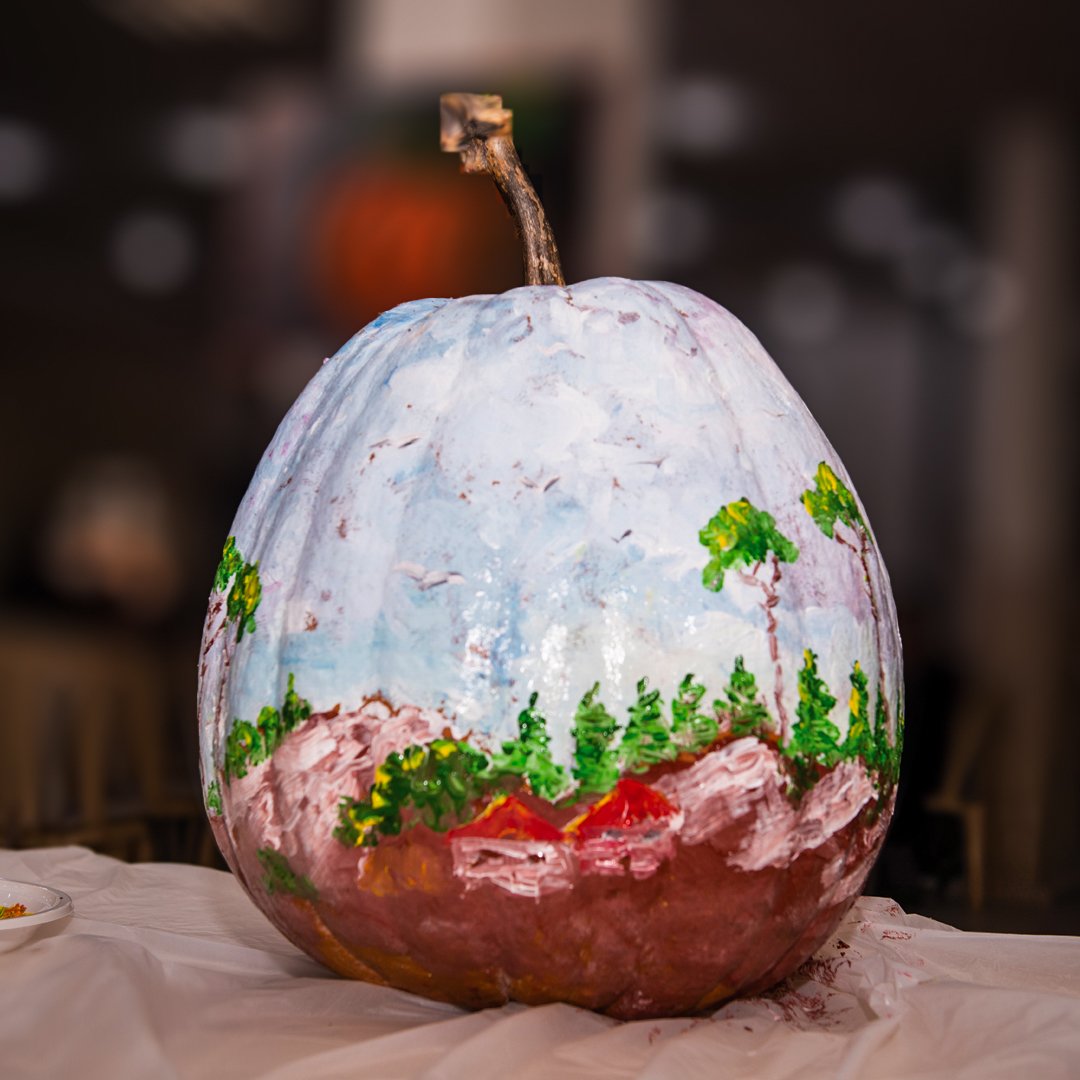
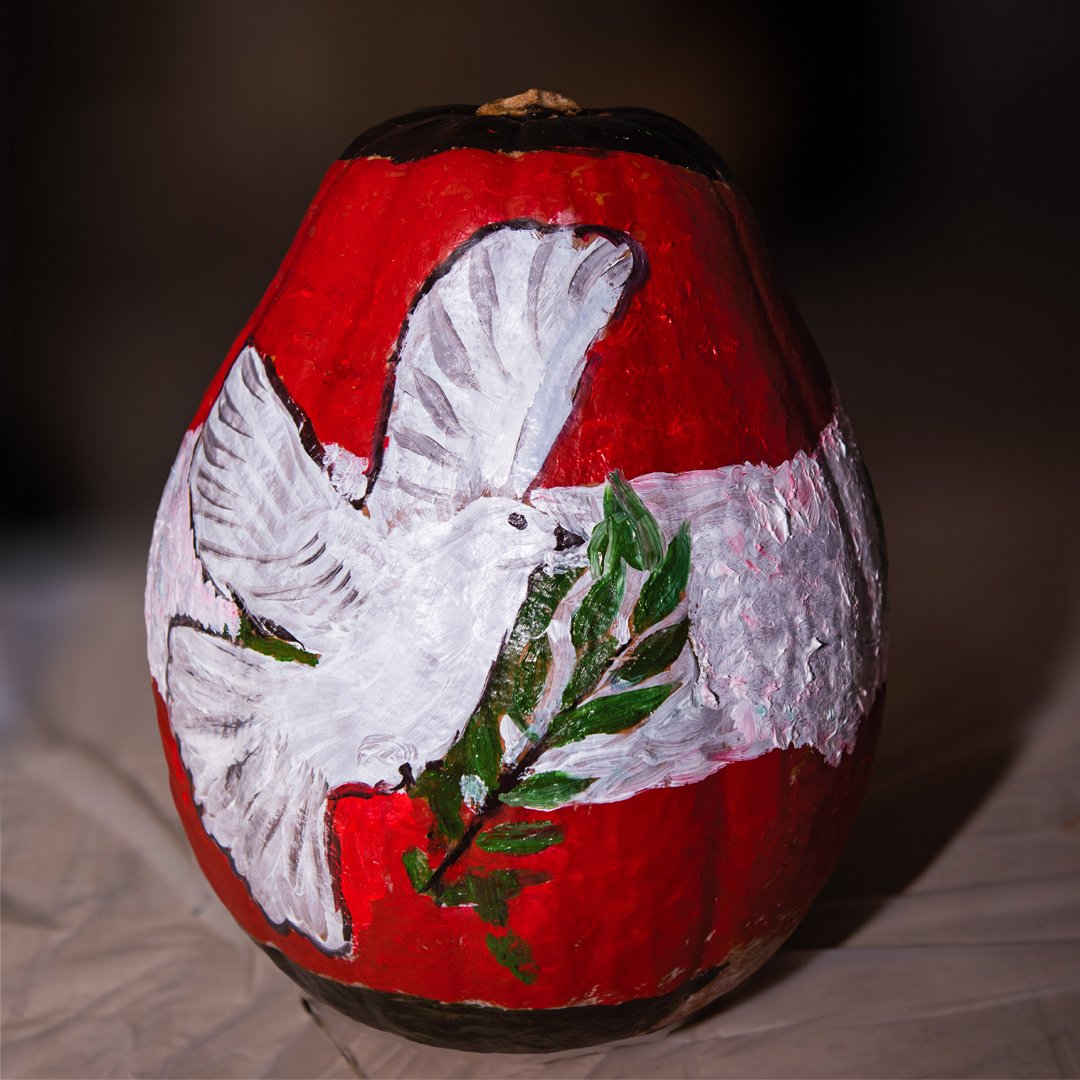
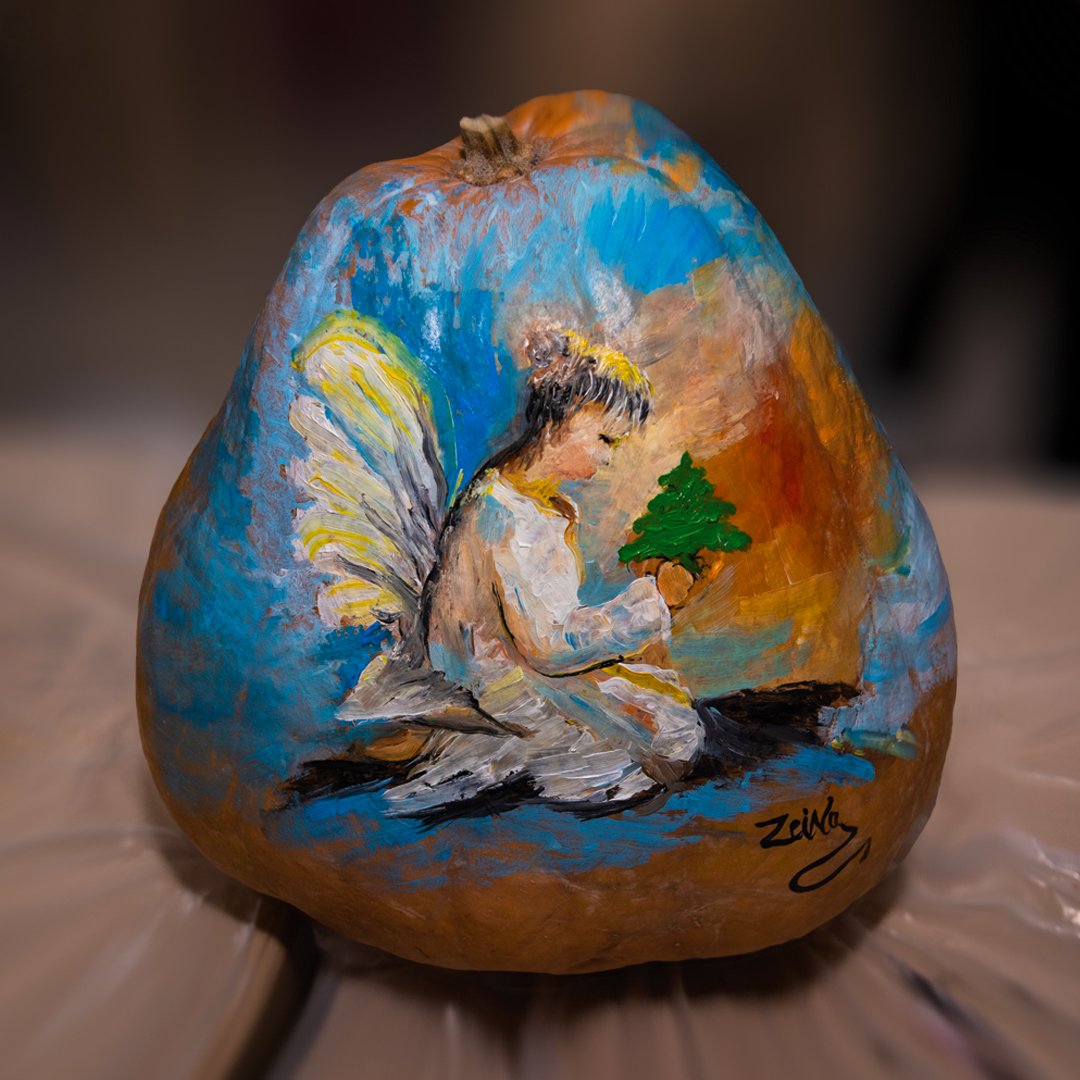
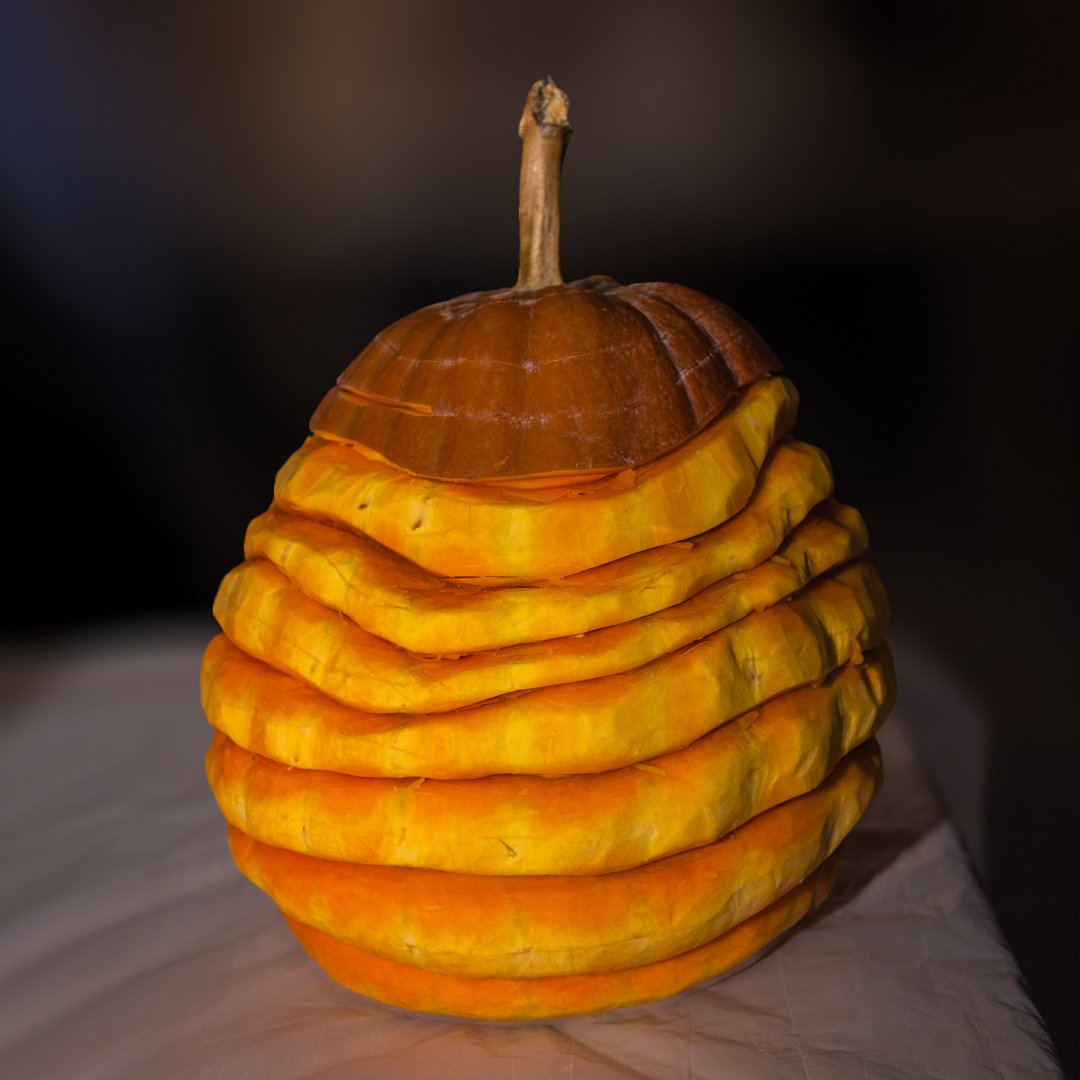
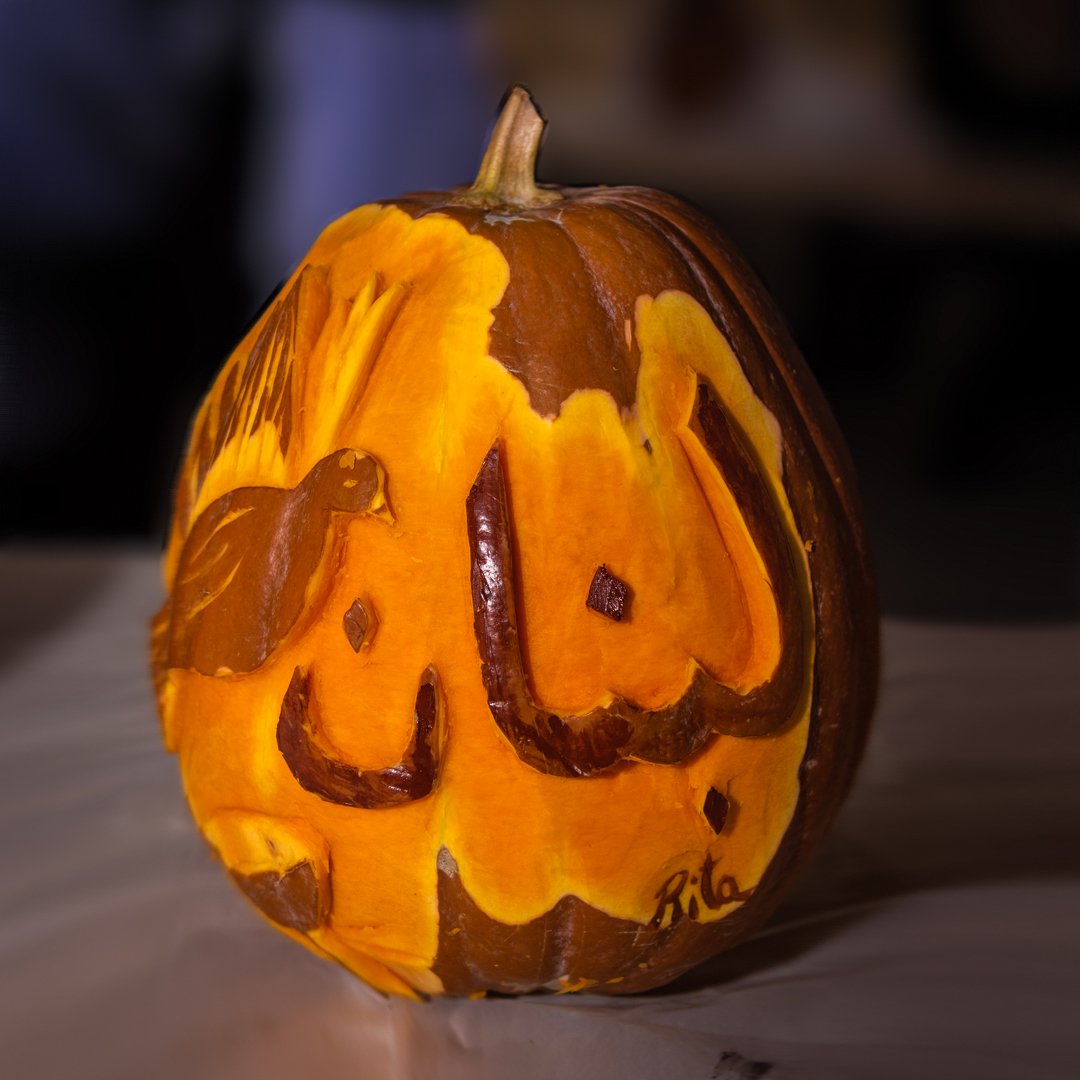
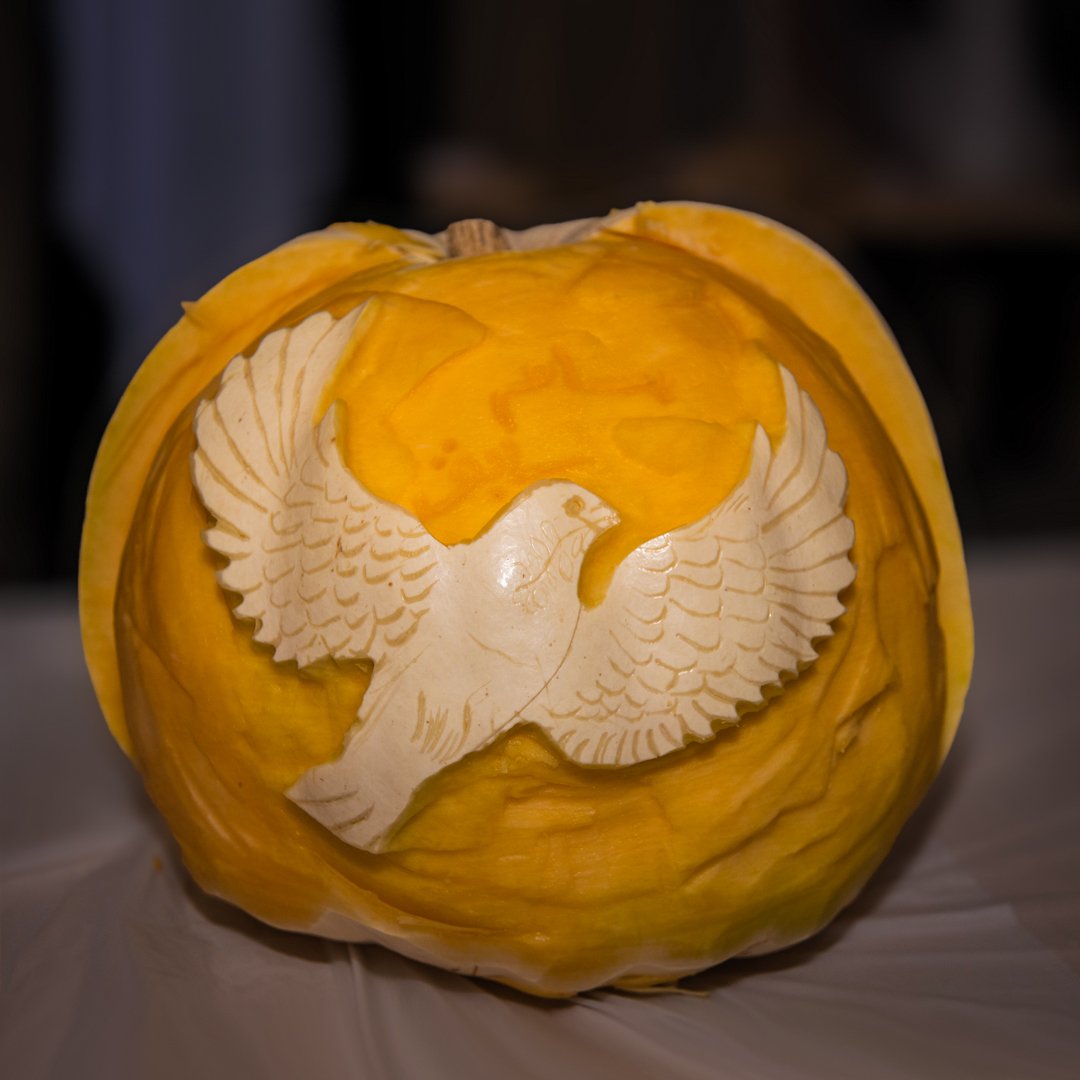
Artistic Activities and Cultural Expression: A key element of “Peace on Pumpkin” was its integration of art and agriculture. Artists led therapeutic painting sessions, during which participants created canvases depicting stories of hope, dreams, and resilience. Additionally, local actors and artists produced pumpkin-inspired artworks, with each piece symbolizing unity, peace, and environmental responsibility.
This approach highlighted the role of cultural expression in:
- Fostering community identity
- Encouraging intergenerational participation
- Reinforcing the connection between nature, creativity, and social responsibility

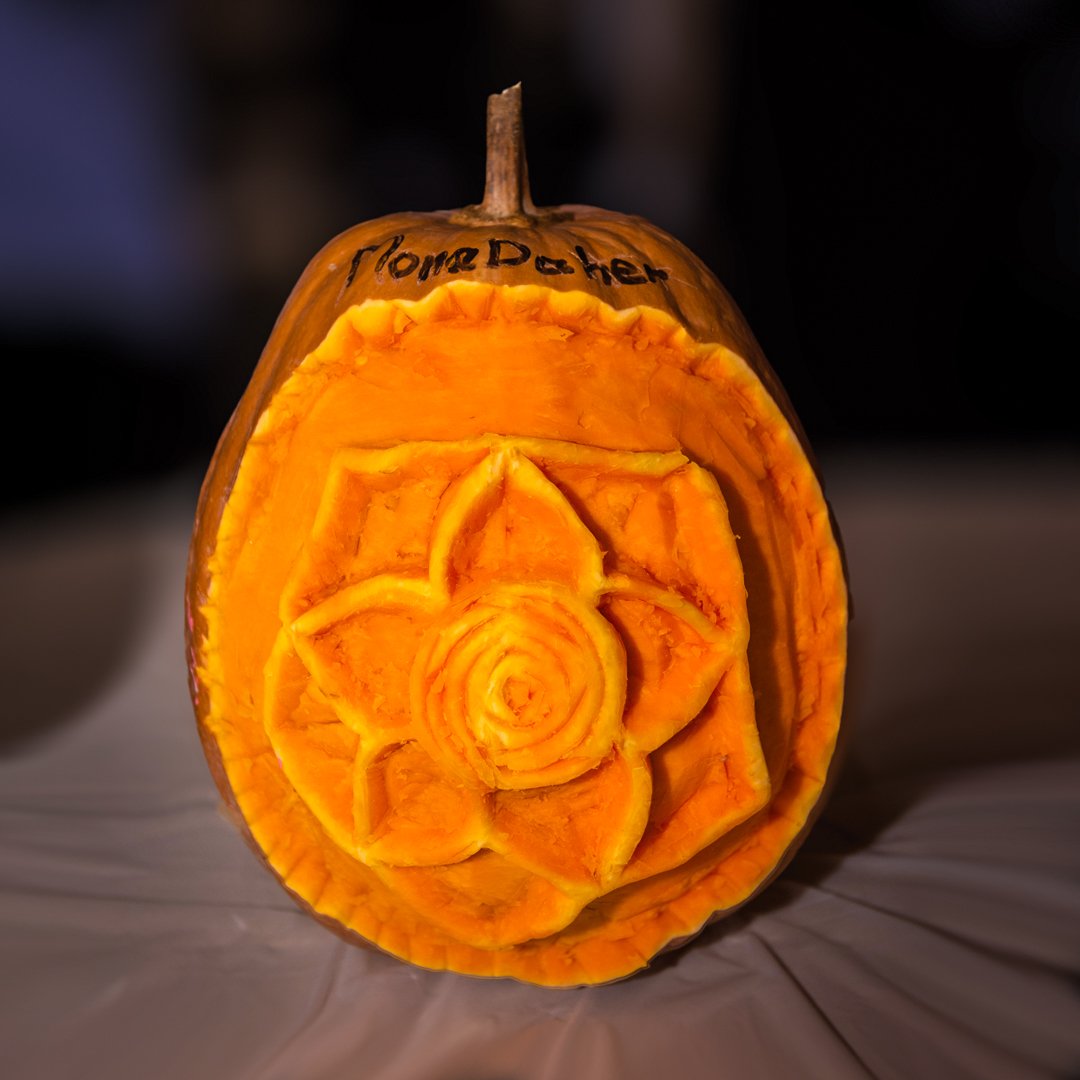
Food Security and Community Solidarity: The pumpkin, beyond its symbolic value, became a vehicle for tangible community support
- 1.5 tons of pumpkin were prepared by local women’s associations into traditional Lebanese dishes: kibbeh, soup, and jam
- Over 1,000 meals were distributed to vulnerable groups, including children and the elderly
- Distribution was coordinated with organizations such as Roboona Aley, Bayt al Yatim al Durzi, Holmouna in Bzebdine, and Dar al Aytem al Islamiye in Shemlane
Agricultural Preservation and Sustainability: At the heart of “Peace on Pumpkin” is the preservation of Lebanon’s heirloom pumpkin seeds, critical for biodiversity and food security. Key facts include:
- Currently, there are over five unique varieties of Lebanese pumpkin seeds, many at risk of disappearing
- The initiative promotes seed collection and distribution, aiming to increase availability for farmers and households
- By cultivating nutritionally rich native seeds, farmers can reduce production costs, increase yields, and maintain Lebanon’s agricultural heritage
Through hands-on farming activities, workshops, and awareness campaigns, the initiative links seed preservation to sustainable practices and environmental responsibility.
Interfaith Dialogue and Leadership Engagement: “Peace on Pumpkin” also emphasizes the role of faith and leadership in promoting community resilience. Leaders such as Sheikh Iyad Abdallah, Sheikh Fadel Slim, and Hassan Fawaz facilitated interfaith dialogues, discussing how faith can:
- Bridge social and sectarian divisions
- Promote peacebuilding and social cohesion
- Encourage collective responsibility in sustainability and agriculture
These discussions reinforced the interconnectedness of social, economic, and environmental resilience in local communities.
Environmental and Educational Outcomes: The initiative not only addresses immediate social needs but also promotes long-term environmental stewardship
- Encouraging organic and sustainable farming practices
- Preserving native crop varieties for future generations.
- Raising awareness of biodiversity, eco-consciousness, and food security.
- Linking the growth of pumpkins to principles of peace and sustainability, creating a metaphor for nurturing communities alongside the environment
By merging agriculture, art, and education, “Peace on Pumpkin” offers a holistic model for sustainable development in Lebanon.
By combining the power of art, sustainability, and the preservation of native seeds, we are not just advocating for environmental responsibility—we are also fostering peace. As pumpkins grow from small seeds into nourishing crops, we believe that the spirit of peace and sustainability can grow in our communities, too.